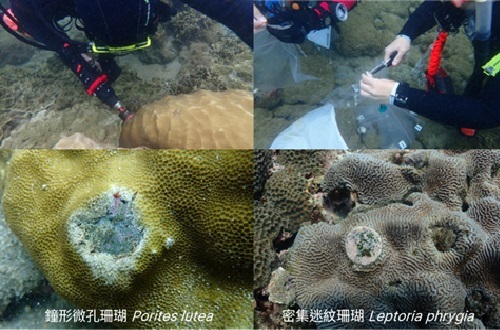
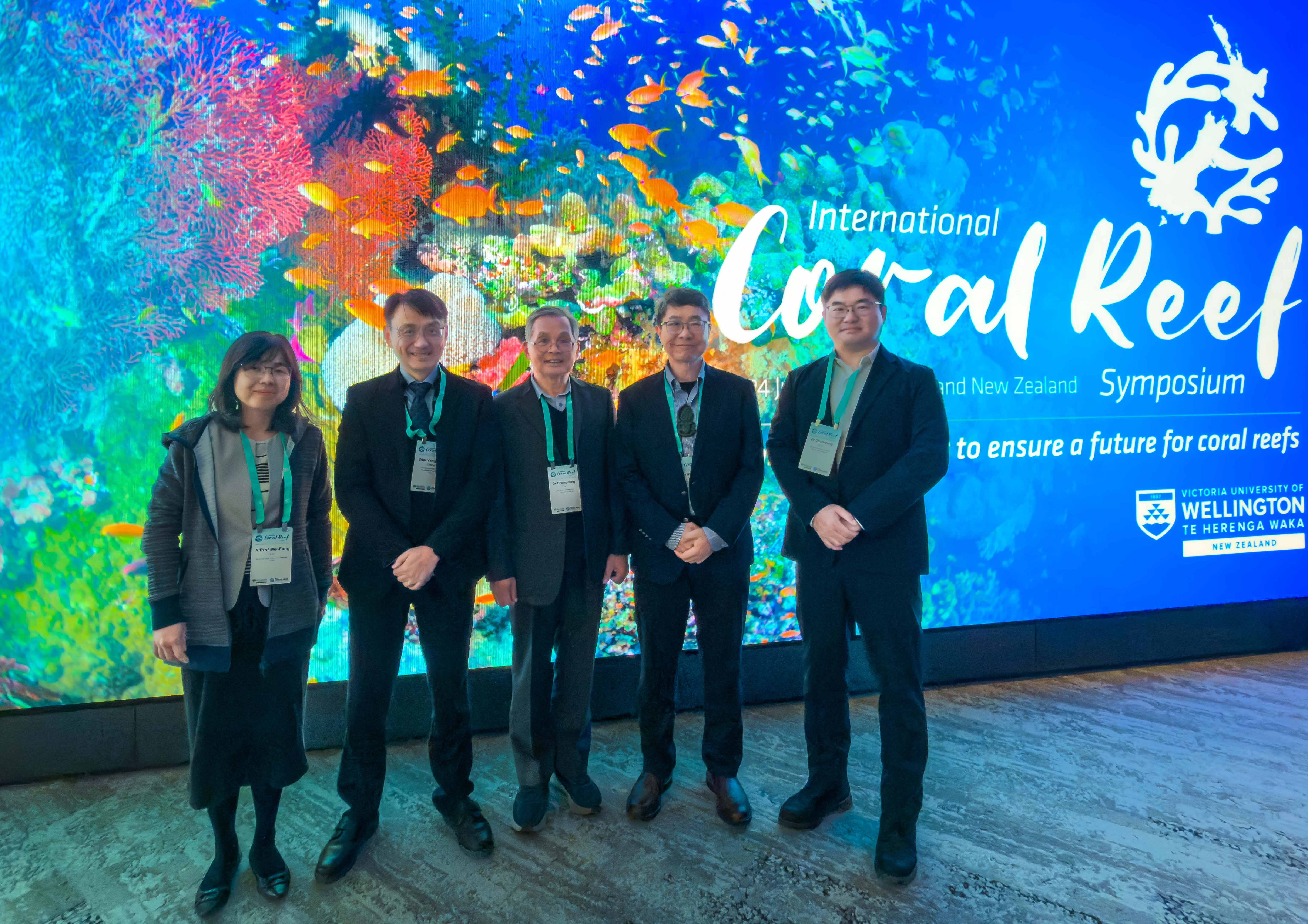
The Delta Environmental and Educational Foundation (DEEF) advanced international collaboration on marine biodiversity conservation at the 17th Conference of the Parties to the Convention on Biological Diversity (CBD COP17) in Armenia. Through events at the Nature Pavilion and Ocean Pavilion, DEEF highlighted pioneering scientific research and global partnerships to strengthen coral reef resilience.
Pioneering the World's First Marine STAR Metric Application
At the IUCN Nature Pavilion, DEEF presented the world's first application of the Species Threat Abatement and Restoration (STAR) metric to coral restoration sites. In collaboration with the International Union for Conservation of Nature (IUCN) and National Taiwan University, DEEF spent two years adapting the methodology for marine ecosystems. Applied to coral restoration sites in Kenting, Taiwan, the research helps identify threats to marine species, guide conservation strategies, and lay the groundwork for broader applications across other marine regions.
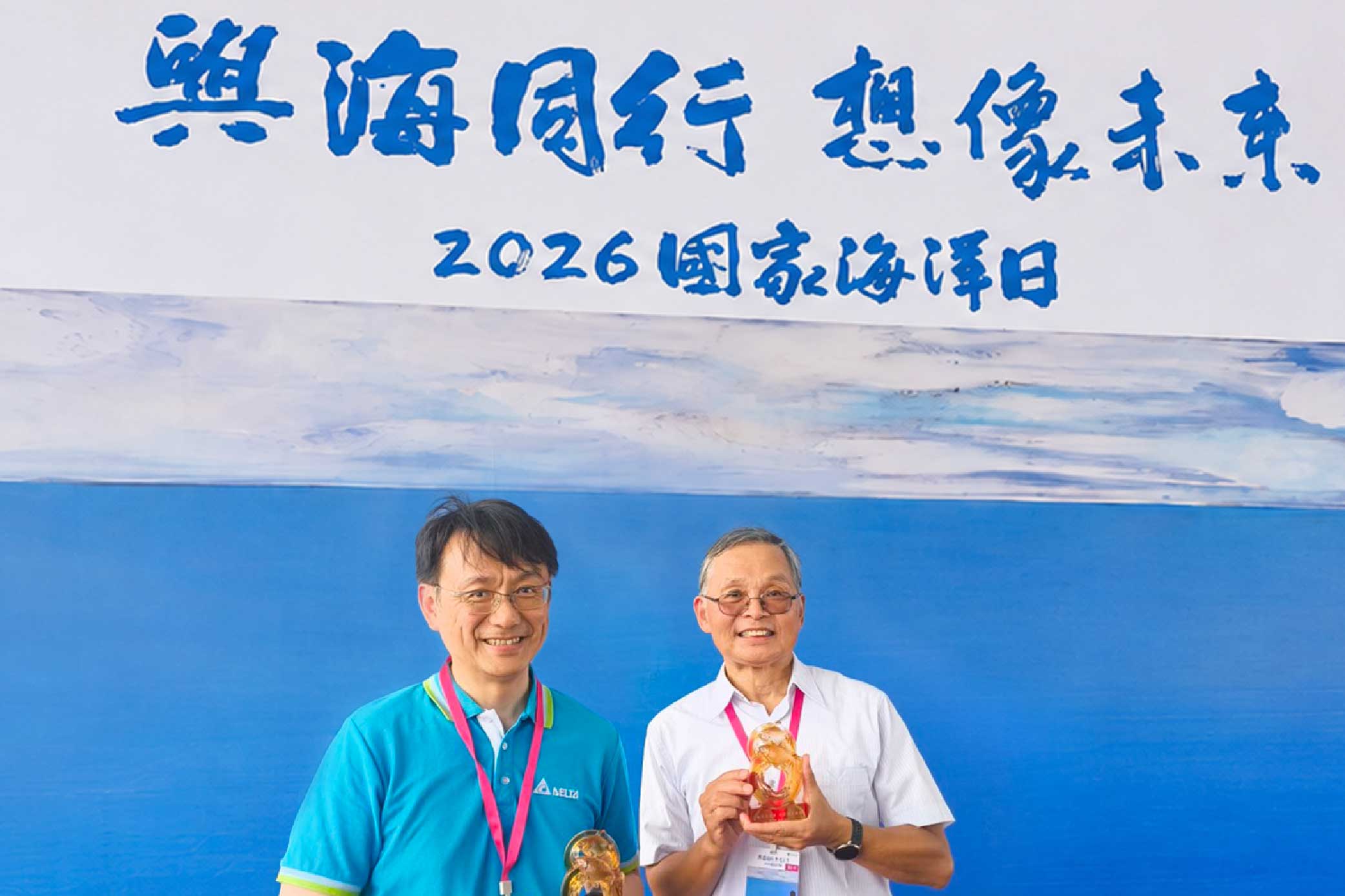
Wim Chang, CEO of Delta Electronics Foundation, said, “Delta combines technology with coral restoration and conservation, aiming to preserve more than half of the coral species in the Pacific Ocean by 2030. This year, in partnership with IUCN, we became the first globally to apply the STAR metric to coral reef areas where Delta conducts restoration. By scientifically quantifying threats to species survival, we aim to make conservation outcomes more measurable and credible.”
Strengthening Global Coral Reef Conservation Partnerships
At the Ocean Pavilion, DEEF co-hosted a side event with the UK's Plymouth Marine Laboratory (PML), bringing together international experts to address growing threats to coral reefs. Dr. David Obura, Chair of IPBES, shared findings from IUCN's first Red List of Coral Reef Ecosystems, which classified 122 of 127 assessed reef ecosystems worldwide (96%) as Critically Endangered. DEEF also supported the assessment's research in Asia and was recognized for its contribution.
The event brought together international partners to exchange insights on coral restoration, scientific innovation, and strategies to strengthen reef resilience. Through scientific research, technological innovation, and international partnerships, DEEF continues to turn conservation knowledge into action, supporting the long-term recovery of coral reef ecosystems worldwide.
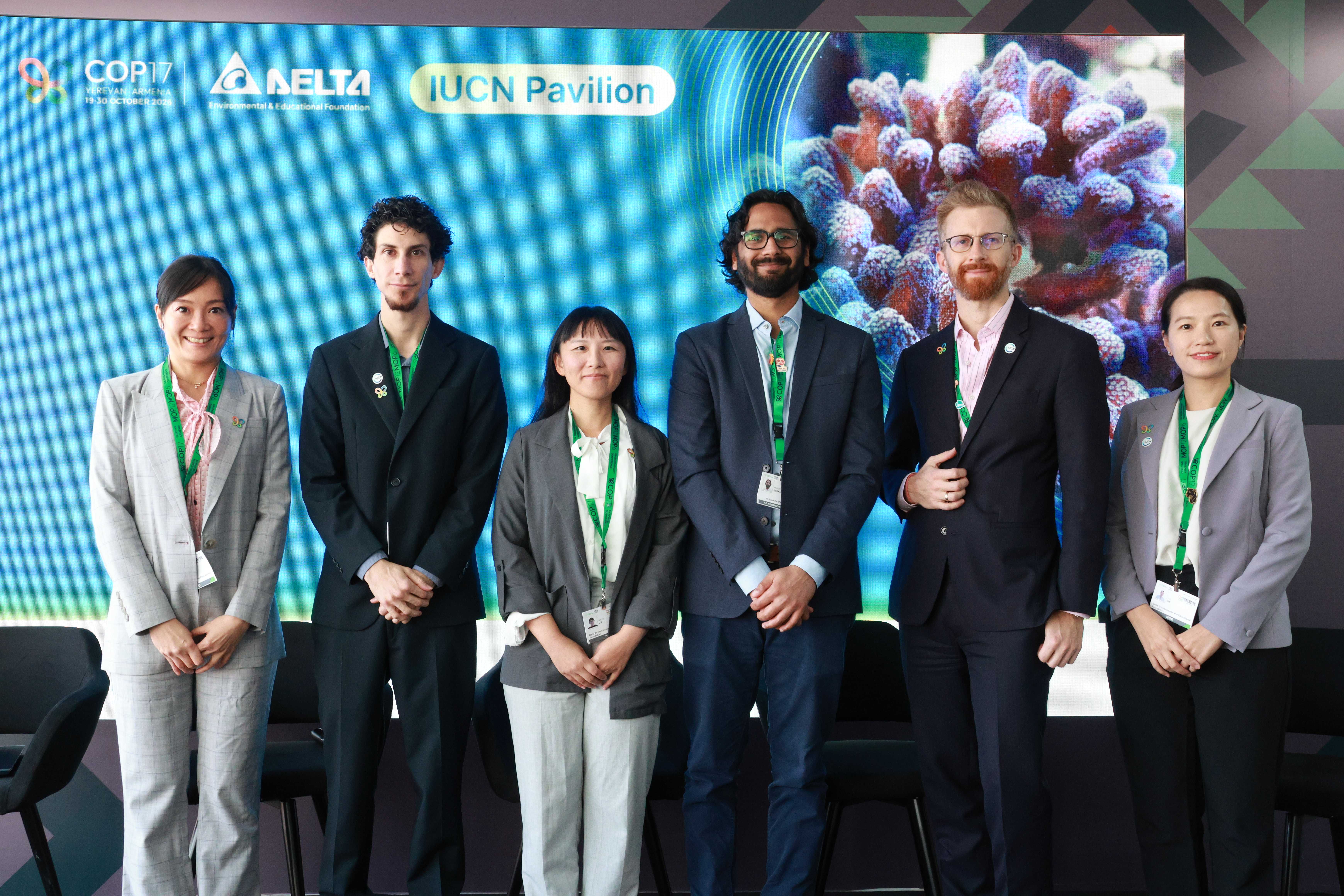 Delta Environmental and Educational Foundation, IUCN, and National Taiwan University (NTU) pioneered the application of the STAR metric in Kenting's marine waters, advancing internationally aligned coral restoration methodologies. From left to right: Prof. Chia-Yin Ko, Institute of Fisheries Science (NTU); Randall Jiménez Quirós, Senior Conservation Scientist (IUCN); Amy Lin, Public Welfare Principal Specialist (DEEF); Mishal Gudka, Science Lead of Global Red List of Coral Reef Ecosystems (University of Melbourne); Nicholas Macfarlane, Head of Conservation Science and Technology (IUCN); and Lun Lee, Public Welfare Senior Specialist (DEEF).
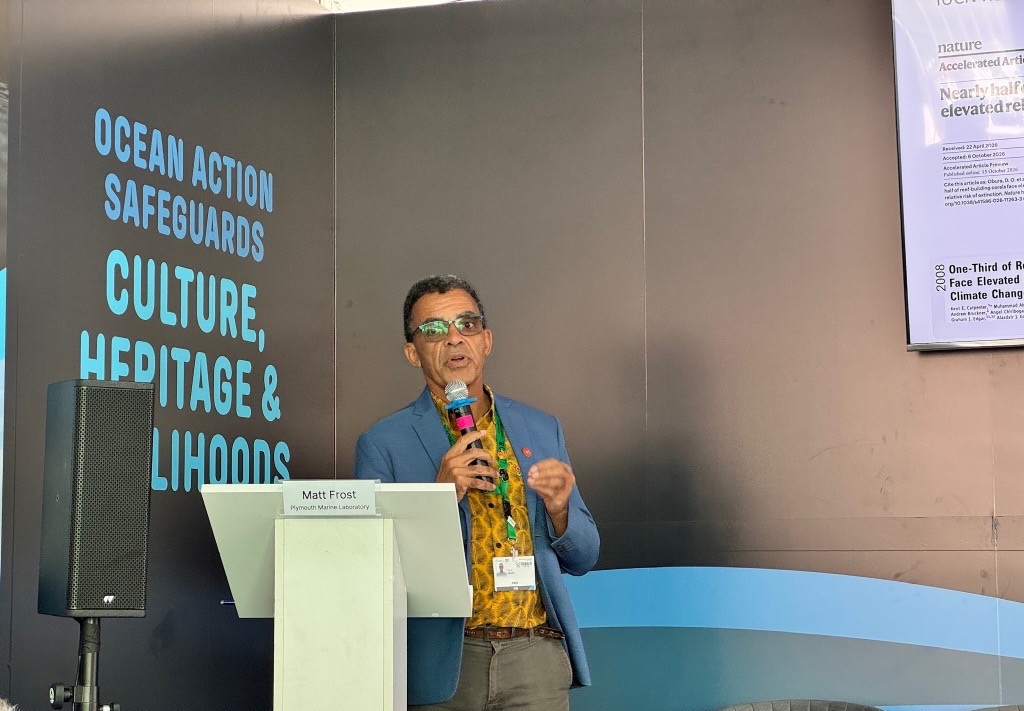 Dr. David Obura shares the latest coral research findings and environmental warnings.
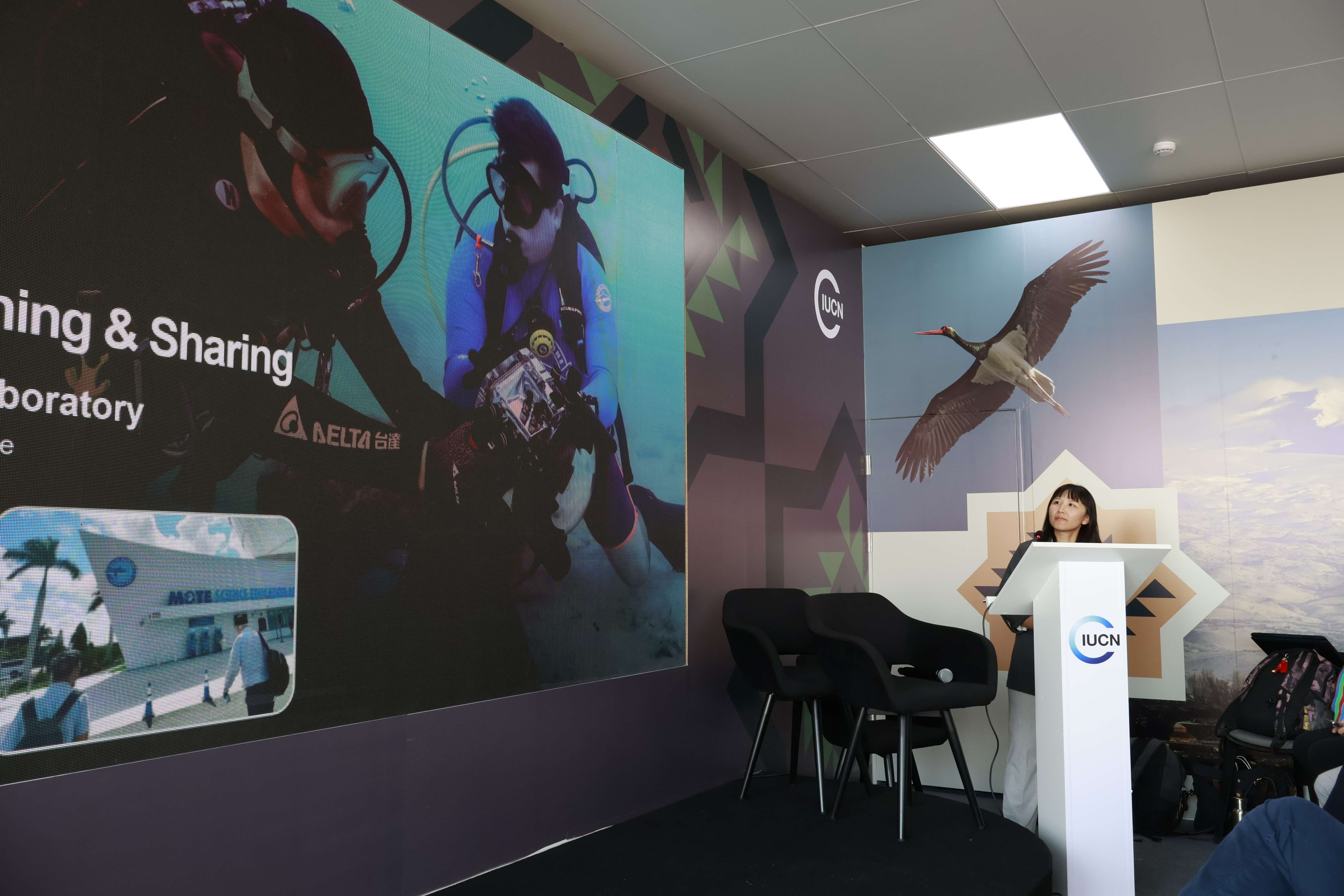 Amy Lin, Public Welfare Principal Specialist (DEEF), shares Delta’s efforts in coral conservation, restoration, and technology applications, while engaging with international partners.
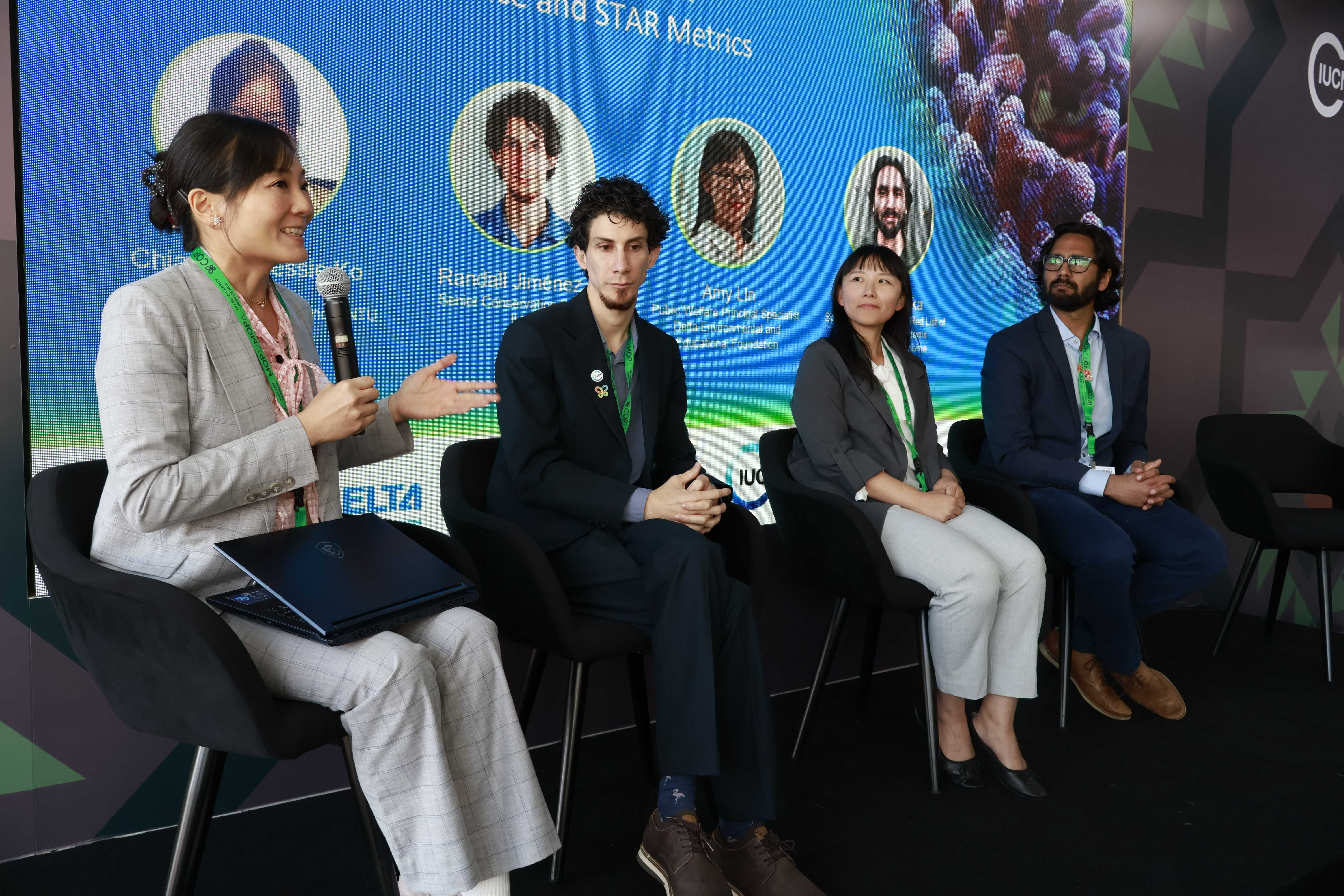 Prof. Chia-Yin Ko, Institute of Fisheries Science, National Taiwan University, presents research findings on the application of the STAR methodology in Kenting’s marine waters.
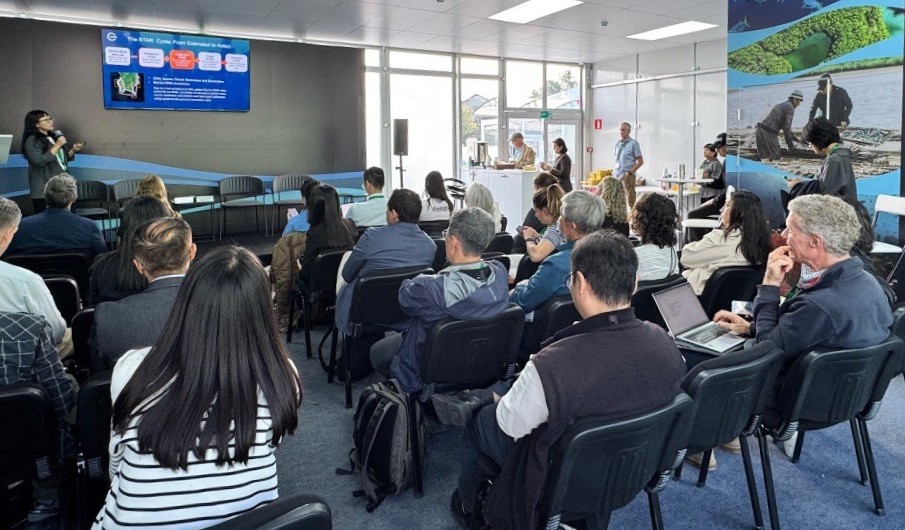
Delta Environmental and Educational Foundation hosted sessions at COP17, attracting attendees interested in marine biodiversity conservation.